Anxiety disorders and how to treat anxiety
Which conditions are called anxiety disorders?
What are anxiety disorders, scientifically speaking, and are they the same as anxiety and stress?
How are anxiety disorders treated, and what methods do mental health professionals use?
The main source for this article is the US National Institute of Mental Health (NIMH).
What is anxiety?
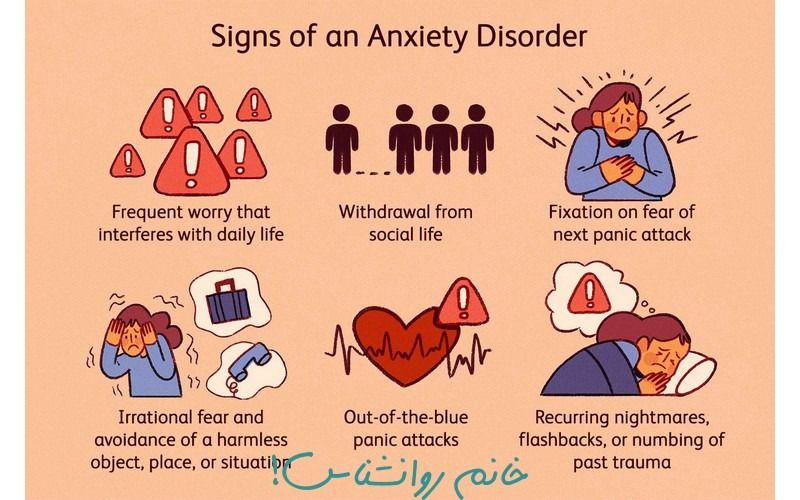
Anxiety is a normal part of life. Many people worry about things such as health, money or family problems. But anxiety disorders involve more than temporary worry or fear. For people with an anxiety disorder, the anxiety does not go away and can get worse over time. The symptoms can interfere with daily activities such as work, schoolwork and relationships.
There are several types of anxiety disorder, including generalised anxiety disorder, panic disorder, social anxiety disorder and various phobia-related disorders.
What are the symptoms of anxiety?
Here are the types of anxiety disorder and their symptoms.
Generalised anxiety disorder
Generalised anxiety disorder (GAD) usually involves a persistent feeling of anxiety or dread that can interfere with daily life. It is not the same as occasionally worrying about things or feeling anxious because of stressful events. People living with GAD experience frequent anxiety for months or even years.
Symptoms of GAD include:
- Feeling restless, wound-up or on edge
- Being easily tired
- Having trouble concentrating
- Being irritable
- Having headaches, muscle aches, stomach aches or unexplained pains
- Finding it hard to control feelings of worry
- Having sleep problems, such as trouble falling or staying asleep
What is panic disorder?
People with panic disorder have frequent and unexpected panic attacks. Panic attacks are sudden periods of intense fear, discomfort or a sense of losing control, even when there is no clear danger or trigger. Not everyone who has a panic attack has panic disorder.
Symptoms of panic disorder
During a panic attack, a person may experience:
- A pounding or racing heart
- Sweating
- Trembling or tingling
- Chest pain
- A feeling that something terrible is about to happen
- Feeling out of control
People with panic disorder often worry about when the next attack will happen and actively try to prevent future attacks by avoiding places, situations or behaviours they link with panic attacks. Panic attacks can happen as often as several times a day or as rarely as a few times a year.
Social anxiety disorder
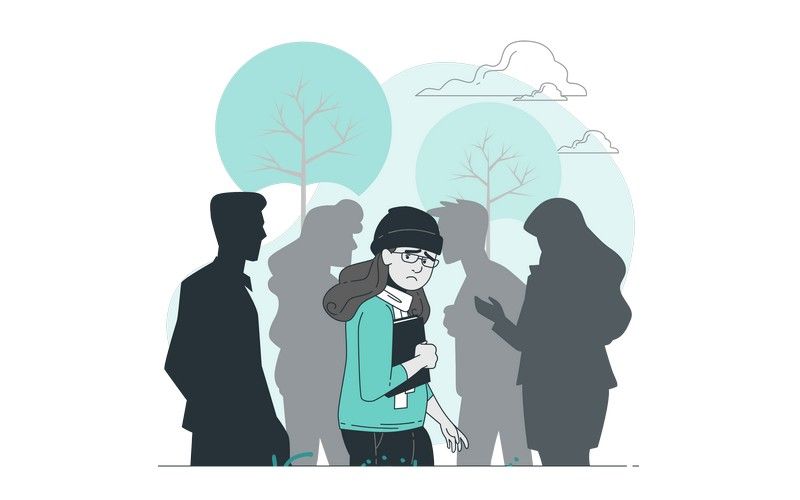
Social anxiety disorder is an intense, persistent fear of being watched and judged by others. For people with social anxiety disorder, the fear of social situations may feel so intense that it seems beyond their control. For some people, this fear can get in the way of going to work, attending school or doing everyday things.
Symptoms of social anxiety disorder
People with social anxiety disorder may experience:
- Blushing, sweating or trembling
- A pounding or racing heart
- Stomach aches
- A rigid body posture, or speaking with an overly soft voice
- Difficulty making eye contact or being around people they do not know
- Feeling self-conscious or afraid that people will judge them negatively
Phobia-related disorders
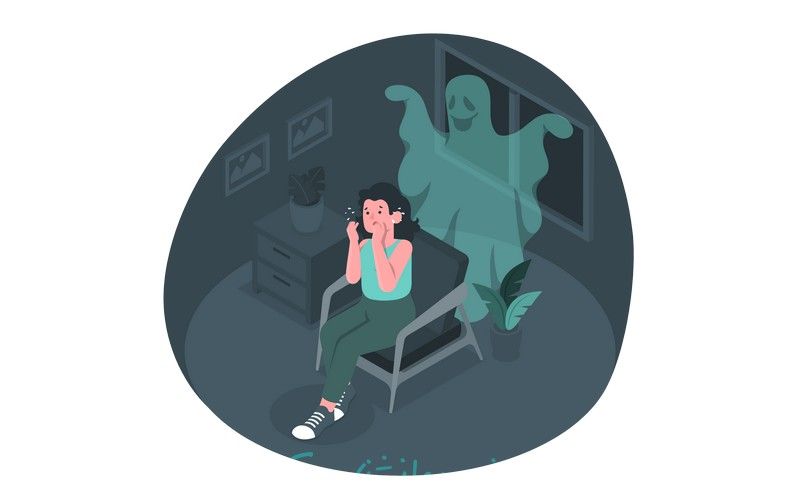
A phobia is an intense fear of, or aversion to, specific objects or situations. Although it can be realistic to feel anxious in some circumstances, the fear people with phobias feel is out of proportion to the actual danger of the situation or object.
Symptoms of phobias
People with a phobia may:
- Have irrational or excessive worry about encountering the feared object or situation
- Take active steps to avoid the feared object or situation
- Feel immediate intense anxiety when they encounter the feared object or situation
- Endure unavoidable situations with intense anxiety
There are several types of phobias and phobia-related disorders:
Specific phobia (sometimes called simple phobia): as the name suggests, people with a specific phobia have an intense fear of, or feel intense anxiety about, specific types of objects or situations. Some examples of specific phobias are fear of:
- Flying
- Heights
- Specific animals, such as spiders, dogs or snakes
- Receiving injections
- Blood
Social anxiety disorder (previously called social phobia): people with social anxiety disorder have intense fear of, or anxiety about, social or performance situations. They worry that actions or behaviours linked with their anxiety will be judged negatively by others and leave them feeling embarrassed. This worry often leads them to avoid social situations. Social anxiety disorder can show up in many settings, such as work or school.
Agoraphobia
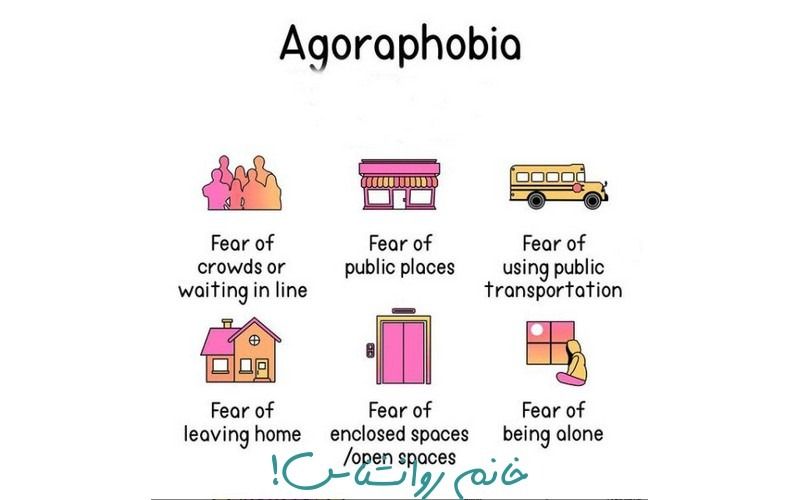
People with agoraphobia have an intense fear of two or more of the following situations:
- Using public transport
- Being in open spaces
- Being in enclosed spaces
- Standing in line or being in a crowd
- Being outside the home alone
People with agoraphobia often avoid these situations, partly because they think it may be difficult or impossible to leave if they have panic-like reactions or other embarrassing symptoms. In its most severe form, agoraphobia can leave a person housebound.
Separation anxiety disorder
Separation anxiety is often thought of as something only children deal with, but adults can also be diagnosed with separation anxiety disorder. People with separation anxiety disorder fear being apart from the people they are close to.
They often worry that something bad will happen to their loved ones while they are apart. This fear leads them to avoid being alone or away from their loved ones. They may have bad dreams about being separated, or feel distressed when separation is about to happen.
Selective mutism
Selective mutism is a rare anxiety-related disorder. It happens when people do not speak in certain social situations despite having normal language skills. It usually appears before the age of 5 and is often linked with extreme shyness, fear of social embarrassment, compulsive traits, withdrawal, clinging behaviour and temper tantrums. People with selective mutism are often diagnosed with other anxiety disorders as well.
What are the risk factors for anxiety?
Researchers have found that both genetic and environmental factors contribute to the risk of developing an anxiety disorder.
Risk factors differ for each type of anxiety disorder, but some general risk factors include:
- Shyness, or feeling distressed or nervous in new situations in childhood
- Exposure to stressful and negative life or environmental events
- A history of anxiety or other mental disorders in biological relatives
Anxiety symptoms can be caused or made worse by:
- Some physical health conditions, such as thyroid problems or heart arrhythmia
- Caffeine or other substances and medicines
If you think you may have an anxiety disorder, a physical examination by a health professional may help identify the cause of your symptoms and the right treatment.
Treatment of anxiety disorders
Anxiety disorders are usually treated with psychotherapy, medication, or both. There are many ways to treat anxiety, and you should work with a health professional to choose the best treatment for you.
Psychotherapy
Psychotherapy, or "talk therapy", can help people with anxiety disorders. To be effective, it should be directed at your specific anxieties and tailored to your needs.
Cognitive behavioural therapy
Cognitive behavioural therapy (CBT) is one type of psychotherapy that can help people with anxiety disorders. It teaches different ways of thinking, behaving and reacting to situations, to help you feel less anxious and fearful. CBT has been well studied and is considered the gold standard for psychotherapy.
Exposure therapy is a CBT method used to treat anxiety disorders. It focuses on confronting the fears underlying the anxiety disorder, to help people take part in activities they have been avoiding. Exposure therapy is sometimes used together with relaxation exercises.
Acceptance and commitment therapy
Another treatment option for some anxiety disorders is acceptance and commitment therapy (ACT). ACT takes a different approach from CBT to negative thoughts, using strategies such as mindfulness and goal setting to reduce discomfort and anxiety. Compared with CBT, ACT is a newer form of therapy, so less is known about how effective it is.
Medication for anxiety disorders
Medication does not cure anxiety disorders but can help relieve symptoms. Health professionals such as a psychiatrist or GP can prescribe medication for anxiety. In some US states, psychologists with specialist training can prescribe; in Australia, psychologists and counsellors do not prescribe medication, which is prescribed by a GP or psychiatrist. The most common classes of medication for anxiety disorders are antidepressants, anti-anxiety medicines (such as benzodiazepines) and beta-blockers.
Antidepressants
Antidepressants are used to treat depression, but they can also help treat anxiety disorders. They may help improve the way the brain uses certain chemicals that control mood or stress. You may need to try several different antidepressants before finding one that improves your symptoms and has manageable side effects.
Antidepressants can take several weeks to start working, so it is important to give the medicine a chance before deciding whether it works. If you start taking an antidepressant, do not stop without your doctor's help; your doctor can help you reduce the dose slowly and safely. Stopping suddenly can cause withdrawal symptoms.
In some cases, children, teenagers and adults under 25 may have more suicidal thoughts or behaviour when taking antidepressants, especially in the first few weeks after starting or after a dose change. For this reason, people of any age taking antidepressants should be watched closely, especially during the first weeks of treatment.
Anti-anxiety medicines
Anti-anxiety medicines can help reduce the symptoms of anxiety, panic attacks, or extreme fear and worry. The most common anti-anxiety medicines are called benzodiazepines. Benzodiazepines have benefits and drawbacks; clinical guidelines such as NICE do not recommend them as a main treatment, and they are used only for short periods, for example in a crisis.
Benzodiazepines are effective at relieving anxiety and work faster than antidepressants. However, some people build up a "tolerance" to them and need higher and higher doses to get the same effect, and some people become dependent on them.
To avoid these problems, doctors usually prescribe benzodiazepines for short periods only.
If people stop taking benzodiazepines suddenly, they may have withdrawal symptoms, or their anxiety may return. So benzodiazepines should be reduced slowly, with your doctor's help.
Beta-blockers
Although beta-blockers are most often used to treat high blood pressure, they can help relieve the physical symptoms of anxiety, such as a rapid heartbeat and trembling.
These medicines can help people keep physical symptoms under control when taken for a short time. They can also be used "as needed" to reduce acute anxiety, including to prevent some predictable forms of performance anxiety.
Choosing the right medicine
Some types of medicine may work better for specific anxiety disorders, so people should work closely with a health professional to find the best medicine for them. Some substances, such as caffeine, some over-the-counter cold medicines, illicit drugs and herbal supplements, may worsen anxiety symptoms or interact with prescribed medicines. Talk with a health professional to learn which substances are safe and which to avoid.
The choice of medicine, dose and treatment plan should be guided by a specialist and based on the person's needs and medical situation. You and your doctor may need to try several medicines before finding the right one.
Support groups
Some people with anxiety disorders benefit from joining a self-help or support group and sharing their problems and achievements with others. Support groups are available both in person and online. However, any advice from a support group member should be used with caution and does not replace treatment recommendations from a health professional.
Stress management techniques
Stress management techniques, such as exercise, mindfulness and meditation, can also reduce anxiety symptoms and enhance the effects of psychotherapy. You can learn more about how these techniques can help your treatment by talking with a health professional.
Please take anxiety symptoms seriously. Here they are once more as an image, so you can remember them even if you do not feel like reading.