
Generalised anxiety disorder (GAD) explained
Generalised anxiety disorder (GAD) is one of the most common and complex mental health conditions, and many people live with it today. It involves constant, excessive worry and anxiety about many areas of life, and it can seriously affect quality of life and even lead to physical problems. In this article we look more closely at GAD, its symptoms, its causes and effective treatments, so you can understand it better and make good decisions about managing it.
What is generalised anxiety disorder?
Generalised anxiety disorder is a type of anxiety disorder marked by constant, intense and unrealistic worry about many areas of life. The worries are often vague and not limited to one topic. People with GAD often worry about everyday matters such as health, work, study, relationships and even small things, and the worry can be so strong that it disrupts their ability to carry out daily activities.
Symptoms of GAD
The symptoms of GAD can be wide-ranging. Some of them are:
Constant, excessive worry
People with GAD may worry constantly and relentlessly about many different things. The worries can go beyond what is realistic and feel impossible to control.
Ongoing tiredness
Feeling tired and worn out all the time, even after enough rest, is a common symptom of GAD. This tiredness can come from ongoing stress and worry, which put strain on the nervous system.
Sleep problems
People with GAD often have trouble sleeping. They may find it hard to fall asleep, or wake many times during the night and be unable to get back to sleep. Poor sleep can in turn increase tiredness and anxiety during the day.
Trouble concentrating
Constant worry can make it hard to concentrate, so people with GAD may struggle with daily tasks or work.
Irritability
Ongoing anxiety can cause irritability and sharp reactions to ordinary situations. People may get angry easily or react strongly to small problems.
Muscle tension
Ongoing anxiety can lead to muscle tension and physical pain, often felt in the neck, shoulders and back.
Shortness of breath and a racing heart
Some people with GAD may have shortness of breath, a racing heart and even panic attacks when their anxiety is severe. These symptoms can lead to a fear of dying or losing control.
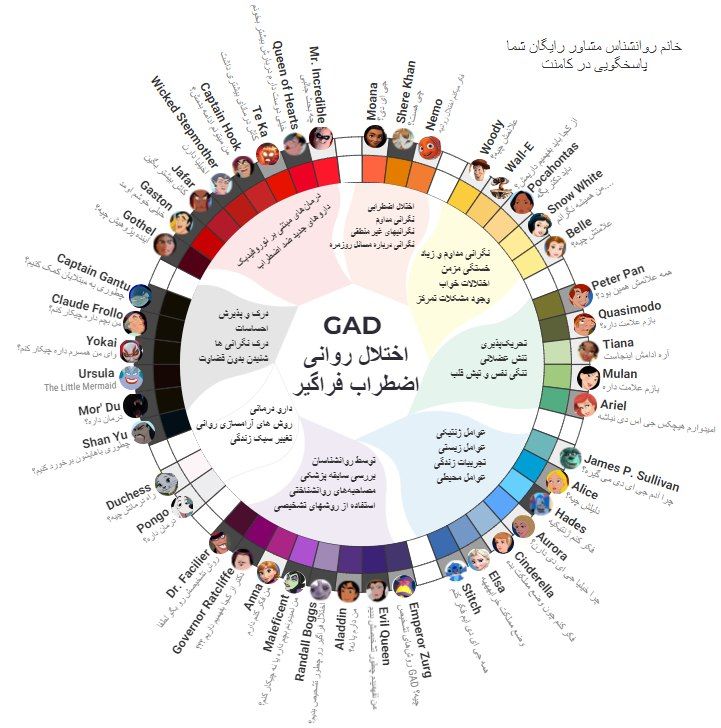
Causes of generalised anxiety disorder
Because GAD is complex, its exact causes can be hard to pin down, but research shows that a combination of genetic, biological, psychological and environmental factors is involved:
Genetic factors
Research shows that GAD is more likely in people with a family history of anxiety or other mental health conditions, suggesting that genes play a part. People whose parents or close relatives have had anxiety disorders may be more prone to GAD.
Biological factors
Disruptions in brain chemicals, especially serotonin, norepinephrine and GABA, which play an important role in regulating mood and anxiety, can contribute to GAD. Imbalances in how the central nervous system works may also play a part.
Life experiences
Negative and stressful life experiences, such as losing a loved one, divorce, financial problems or trauma, can contribute to GAD. After such experiences, people may develop chronic anxiety and worry that gradually becomes GAD.
Environmental factors
A person's environment, including social and cultural conditions, can also play a part. Living in stressful surroundings or facing social pressure can make anxiety worse, and children and teenagers who grow up in difficult or tense environments may be at higher risk.
How GAD is diagnosed
GAD is usually diagnosed by a psychologist or psychiatrist. The process involves reviewing the person's medical history, a psychological interview and the use of standard questionnaires. The clinician needs to be sure that the worry and anxiety are persistent and excessive and have lasted at least six months, on more days than not.
An accurate diagnosis matters because GAD can be mistaken for other conditions such as depression or other anxiety disorders. The doctor may also do other tests to make sure the symptoms are not caused by physical problems or other mental health conditions.
Treatment of generalised anxiety disorder
Treatment for GAD usually combines medication and psychotherapy. Here are the main options:
Medication
Antidepressants and anti-anxiety medicines are often prescribed to reduce GAD symptoms. They can help regulate brain chemicals and reduce anxiety and worry. Some commonly used medicines are:
Selective serotonin reuptake inhibitors (SSRIs): medicines such as escitalopram and sertraline are commonly prescribed to reduce symptoms of anxiety and depression.
Serotonin-norepinephrine reuptake inhibitors (SNRIs): such as venlafaxine and duloxetine, which help regulate mood and reduce anxiety.
Benzodiazepines: medicines such as lorazepam, used to reduce severe anxiety and control panic attacks. They are usually prescribed only for short periods because they can cause dependence. Another medicine, buspirone, is also used for GAD.
Cognitive behavioural therapy (CBT)
Cognitive behavioural therapy (CBT) is one of the most effective psychological treatments for GAD. In CBT, people learn to recognise and change negative thinking patterns and unrealistic worries. The aim is to help them challenge their worries and replace them with more realistic thoughts.
CBT also teaches skills for coping with stress and anxiety, including relaxation techniques, meditation and deep breathing, which help people manage anxiety and improve their quality of life.
Relaxation and breathing exercises
Relaxation and deep breathing exercises can help reduce stress and anxiety. These include meditation, yoga and deep breathing, which can help calm the body and mind and ease anxiety symptoms.
Meditation
Meditation is a popular way to manage stress and anxiety. By focusing on the breath and calming the mind, it helps people step back from negative thoughts and constant worry. Guided meditations or simple daily practice can make a noticeable difference to how people feel.
Yoga
Yoga combines physical exercise, breathing and meditation, and strengthens the connection between mind and body. Regular yoga can help reduce muscle tension, improve sleep and increase a sense of calm.
Deep breathing exercises
These exercises help people control their breathing and reduce anxiety and stress by slowing it down. Exercises such as diaphragmatic breathing or 4-7-8 breathing may help reduce anxiety.
Lifestyle changes for managing GAD
Alongside medication and psychotherapy, lifestyle changes can play an important part in managing GAD. Some of these are:
Regular physical activity
Regular exercise can help release endorphins, the brain's feel-good chemicals, improving mood and reducing anxiety. Running, swimming, cycling or even a daily walk can help reduce GAD symptoms.
Healthy eating
A healthy, balanced diet can support mood. Foods with antioxidants, B vitamins, omega-3 and minerals such as magnesium may help reduce anxiety, and cutting back on caffeine and alcohol can also help.
Enough regular sleep
Getting enough good-quality sleep is important for reducing anxiety and improving mental health. A regular sleep routine, avoiding screens before bed and a calm sleeping environment can all improve sleep.
Stress management
Learning stress management techniques, such as planning, leisure and making time for rest and self-care, can help reduce anxiety. Learning coping skills and building social connections can also improve wellbeing.
Supporting someone with GAD
If someone you love is living with generalised anxiety disorder, your support can make a real difference. Understanding and accepting their feelings and worries, listening without judgement and offering practical help can help them feel less alone and more motivated to manage their anxiety.
Future research on GAD treatment
With recent advances in psychology and neuroscience, new research and treatments for GAD are being developed. These include neurofeedback-based treatments, new anti-anxiety medicines and new technologies such as virtual reality for treating anxiety. More research is also being done on the genetic and biological factors in GAD, which may lead to better understanding and more targeted treatments.
Conclusion
Generalised anxiety disorder is a complex and challenging condition that can seriously affect quality of life. But by understanding it, knowing its symptoms and causes, and using effective treatments and lifestyle changes, people can improve their mental health and reduce their anxiety. Supporting loved ones who live with GAD can also help them cope better and live a better life. If you or someone close to you is dealing with GAD, it is a good idea to talk to a GP, psychologist or psychiatrist about the best treatment options.