
Studying psychology: what nobody tells you
Choosing what to study is an important decision that can shape your life and future, and choosing psychology is no exception: it deserves careful, informed thought. In this article I share some facts about studying psychology that people rarely mention, to help you make a better decision.
Before you enrol in psychology, think carefully about the following.
What is psychology?
Psychology is the scientific study of the mind and behaviour, a fascinating field and, to me, a much-loved one. Because many psychological theories are based on observing human behaviour, studying psychology teaches you how to understand thought processes and emotions. This can be complex, because reading minds is not easy.
A key role of many psychologists is helping people through psychotherapy: reducing symptoms and supporting behaviour change. A psychologist meets with a client, listens to their concerns and decides how best to provide counselling and treatment. Psychologists may also carry out research to advise health authorities and other organisations.
The wide range of specialisations
Psychology is a diverse field, and you can specialise in many areas, such as clinical, social, cognitive, educational and health psychology. This variety lets you choose a path that best fits your interests. Think carefully from the start about which branches of psychology really interest you, and which of them match the career you want.
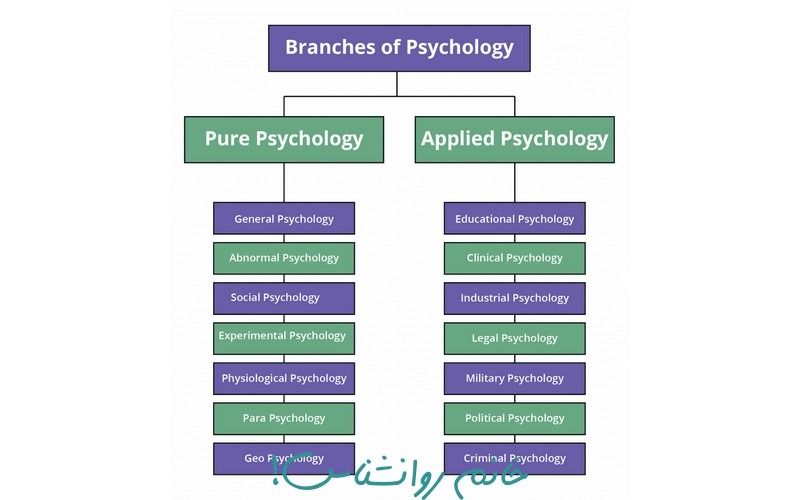
How many types of psychology are there?
Psychology has a great many branches (the American Psychological Association alone has more than 50 divisions), but from a practical point of view some of the main areas are:
Addiction psychology
Working in hospitals and rehabilitation centres to provide counselling and cognitive behavioural therapy to people living with addiction.
Behavioural neuroscience
Studying the biological basis of behaviour: how the brain and nervous system shape what we do.
Clinical psychology
Working with people to improve wellbeing and mental health. Clinical psychologists often treat people with insomnia, depression and anxiety.
Cognitive psychology
Studying mental processes such as memory, attention, perception, language and decision-making, often with objective, measurable methods, to understand human behaviour.
Counselling psychology
Supporting people by studying human functioning and how people adapt to new situations. Counselling psychologists help with issues such as stress and grief.
Educational psychology
Analysing how different people respond to teaching and different learning styles, and helping educators develop teaching techniques and approaches to learning.
Forensic psychology
Applying psychological theory to criminal investigation and the legal system, to help understand the psychological factors linked to criminal behaviour.
Organisational psychology
Working on the relationship between employees and their workplaces, and developing strategies to improve productivity and job satisfaction.
What you will study
A psychology degree covers a wide range of subjects. The most important include:
- Social psychology
- Research methods in psychology
- Developmental psychology
- Personality and individual differences
- Cognitive processes
- Evolutionary psychology
- Behavioural psychology
Students are assessed through coursework, essays, exams, presentations, projects and a thesis.
Studying psychology also builds many transferable "soft" skills, including:
- excellent written and spoken communication
- good presentation skills
- analytical research skills
- critical thinking and analysis
- problem-solving
- project management
Psychology in everyday life
One fact people rarely mention is that what you learn in psychology can be very useful in everyday life. These skills help you make better decisions about personal and social issues. In other words, studying psychology affects every part of your life.
The social impact of psychology
Studying psychology lets you play a part in improving the lives of individuals and communities. It gives you skills for improving behaviour and relationships, but becoming truly skilled in this field is also very hard. So do not choose it only for its prestige: psychology is a demanding science.
A deeper understanding of people
One of the attractions of psychology is gaining a deeper understanding of people and the factors that influence their behaviour and decisions. This helps you build better relationships, understand problems more clearly and, often, stay quiet rather than react.
Analytical thinking skills
Studying psychology strengthens analytical and critical thinking. You learn to analyse data, read research and evaluate research methods. These skills matter in psychology and in many other scientific and professional fields: they help people gather and analyse information, make better decisions and approach problems with care and knowledge.
A research-heavy field
Something many people overlook is that psychology not only helps us understand existing problems but also builds new knowledge and research. You could carry out important research that helps the field move forward.
What jobs can a psychology degree lead to?
A psychology degree opens the door to many different careers. Some relate directly to psychology, while others draw on the skills you develop while studying it.
A note before the list: job titles, training pathways and registration rules differ from country to country. In Australia, for example, "psychologist" is a protected title, and only people registered with the Psychology Board of Australia through AHPRA can use it. Many of the roles below require further postgraduate study and supervised practice.
Careers directly related to a psychology degree include:
1. Clinical psychologist
Assessing and treating people with a wide range of mental or physical health conditions and difficulties to improve their lives, such as anxiety, depression and eating disorders.
2. Counselling psychologist
Using psychological theory and research in therapeutic work with clients to improve their mental health and emotional wellbeing, supporting issues such as grief, family violence and relationship problems.
3. School-based mental health practitioner
Supporting children and young people with mental health concerns who may not need specialist mental health services, as part of wider efforts to provide more mental health support in schools and colleges.
4. Educational psychologist
Working with children, families and schools to improve wellbeing, communication and learning: for example, helping children with learning difficulties, students who are being bullied, or those who struggle to manage their emotions.
5. Teacher or trainer
Teaching psychology and related subjects in colleges, vocational training and adult education.
6. Health psychologist
Working with the psychological and emotional sides of health and illness, understanding how an illness affects behaviour, promoting public health and healthy lifestyles, and supporting areas such as cardiac rehabilitation and pain management.
7. Organisational psychologist
Assessing how people behave at work in order to improve productivity and job satisfaction for both the individual and the organisation, with a focus on performance, behaviour, and staff health and wellbeing.
8. Wellbeing practitioner
Assessing and supporting people with common mental health problems, such as symptoms of depression, anxiety and low mood, using a range of low-intensity cognitive behavioural therapy (CBT) techniques.
9. Sport psychologist
Using psychological skills to support people, teams and organisations in sport with mental processes and overall wellbeing, helping athletes cope with the psychological demands of their sport.
Other sectors and workplaces to consider with a psychology degree include:
- consulting and advisory services
- financial organisations
- human resources
- law firms
- local, state and federal government
- private companies
- police services
- schools and colleges
- social and community services