
Albert Ellis: who was he? A full introduction
Who was Albert Ellis? If you follow psychology or know the names of the world's leading psychologists, his name may be familiar. I wrote briefly about him in the article on REBT and promised a fuller account of his life. Albert Ellis is one of the most influential psychologists in the world, and it is worth getting to know him better. What happens in a person's life to make them an Albert Ellis? Read on.
Albert Ellis's personal life
Albert Ellis was born on 27 September 1913 in Pittsburgh, Pennsylvania, the eldest of three children. He later described his father as uninvolved and his mother as emotionally distant. Because his parents were rarely around, he often found himself looking after his younger brother and sister. Ellis was often ill as a child; reportedly, he was hospitalised eight times between the ages of 5 and 7. One stay lasted about ten months, and during that time his parents rarely visited or comforted him.
Although he was known for his bluntness, and was even called "the Lenny Bruce of psychotherapy", Ellis remembered being very shy as a young man. At 19 he decided to change his behaviour and made himself talk to every woman who sat on a park bench near his home. In one month he spoke to more than 130 women, and although only one agreed to go out with him, Ellis found that he had lost his sensitivity and was no longer afraid of talking to women. He used the same approach to overcome his fear of public speaking.
His first and second marriages ended in annulment and divorce. His 37-year relationship with one of the directors of the Albert Ellis Institute ended in 2002. In 2004 he married Australian psychologist Debbie Joffe, and he died on 24 July 2007 after a long illness.
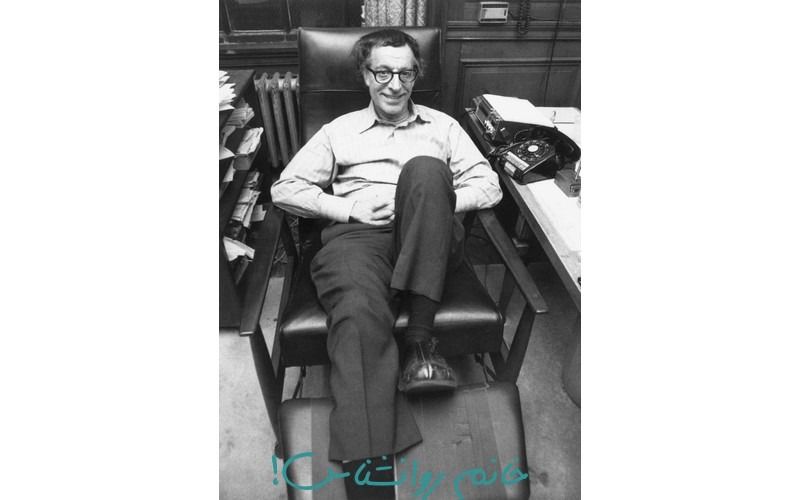
Albert Ellis's career
After high school, Ellis earned a BA in business from the City College of New York in 1934. He spent some time pursuing business work and then tried to make a living as a fiction writer. After trying both, he decided to switch to psychology. In 1942 he began studying clinical psychology at Columbia University, earning his master's degree in clinical psychology in 1943 and his PhD in 1947.
After completing his degree, Ellis trained in psychoanalysis and practised it for a time, but he soon became dissatisfied with what he saw as its weaknesses: its passivity and ineffectiveness. Influenced by the work of people such as Alfred Adler, Karen Horney and Harry Stack Sullivan, he began to develop his own approach to psychotherapy. In 1956 he presented his approach and first called it rational psychotherapy. It became REBT, which you can read about in a separate article on this site.
This method emphasises a more direct and active approach, in which the therapist helps the client understand the core irrational beliefs that lead to emotional and psychological distress. As I mentioned, it is now known as rational emotive behaviour therapy, or REBT.
Ellis also wrote a great deal about human sexuality. He began seeing clients even before finishing his doctorate; at that time, psychologists in New York State did not need a licence. Ellis kept a demanding work schedule until the end of his life. Even with many health problems he continued working, and reportedly saw 70 clients a week in his late eighties and 10 a week in his final years.
Although REBT is often described as a branch of CBT, Ellis's work was truly part of the cognitive revolution, and he helped found and advance the cognitive behavioural therapies. He is often described as one of the most prominent thinkers in the history of psychology. Ellis wrote more than 80 books, many of them bestsellers. To give a sense of his influence, Psychology Today wrote that no individual, not even Freud himself, had a greater impact on modern psychotherapy than Albert Ellis.
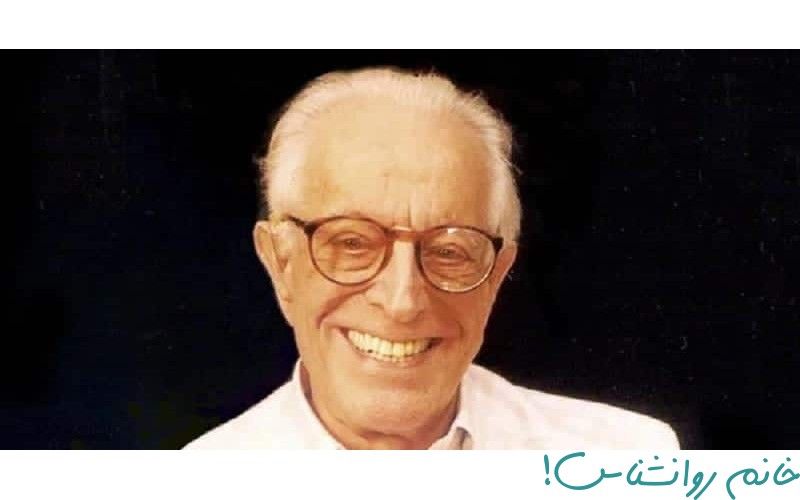
Selected writings
Ellis, A. (1957). How to Live with a Neurotic. Oxford, England: Crown Publishers.
Ellis, A. (1958). Sex Without Guilt. New York: Hillman.
Ellis, A., & Harper, R. (1961). A Guide to Rational Living. Englewood Cliffs, NJ: Prentice-Hall.
Ellis, A., & Grieger, R. (1977). Handbook of Rational-Emotive Therapy. New York: Springer.
Ellis, A. (1985). Overcoming Resistance: Rational-Emotive Therapy with Difficult Clients. New York: Springer.
Ellis, A., & Tafrate, R. C. (1997). How to Control Your Anger Before It Controls You. Citadel Press.
Ellis, A. (2003). Sex Without Guilt in the 21st Century. Barricade Books.
Ellis, A., Abrams, M., & Abrams, L. (2008). Personality Theories: Critical Perspectives. New York: Sage.
Well-known books by Albert Ellis
Over his career, Ellis wrote many books. Some of his best-known works are:
- How to Live with a Neurotic
- A Guide to Rational Living
- Reason and Emotion in Psychotherapy
- Overcoming Destructive Beliefs, Feelings, and Behaviors: New Directions for Rational Emotive Behavior Therapy
- The Practice of Rational Emotive Behavior Therapy
- Feeling Better, Getting Better, Staying Better: Profound Self-Help Therapy for Your Emotions
- Rational Emotive Behavior Therapy: It Works for Me, It Can Work for You
- The Myth of Self-Esteem: How Rational Emotive Behavior Therapy Can Change Your Life Forever
- How to Stubbornly Refuse to Make Yourself Miserable About Anything: Yes, Anything!
- Rational Emotive Behavior Therapy: A Therapist's Guide (with Catharine MacLaren)
A fuller list of Albert Ellis's books
The Folklore of Sex (1951)
The Homosexual in America: A Subjective Approach (1951), introduction (the book is by Donald Webster Cory)
The American Sexual Tragedy (1954)
Sex Life of the American Woman and the Kinsey Report (1954)
The Psychology of Sex Offenders (1956)
How To Live With A Neurotic (1957)
Sex Without Guilt (1958)
The Art and Science of Love (1960)
A Guide to Successful Marriage (with Robert Harper, 1961)
Creative Marriage (with Robert Harper, 1961)
A Guide to Rational Living (1961)
Reason and Emotion In Psychotherapy (1962)
Sex and the Single Man (1963)
If This Be Sexual Heresy (1963)
Nymphomania: A Study of the Oversexed Woman (with Edward Sagarin, 1964)
Homosexuality: Its Causes and Cures (1965). Ellis later changed his view and no longer regarded homosexuality as a disorder.
Is Objectivism a Religion (1968)
Murder and Assassination (with John M. Gullo, 1971)
Growth Through Reason: Verbatim Cases In Rational-Emotive Therapy (1971)
Humanistic Psychotherapy (1974)
A New Guide to Rational Living (1975)
How to Master Your Fear of Flying (1977)
Anger: How to Live With and Without It (1977)
Handbook of Rational-Emotive Therapy (with Russell Grieger & contributors, 1977)
Overcoming Procrastination: Or How to Think and Act Rationally in Spite of Life's Inevitable Hassles (with William Knaus, 1977)
Overcoming Resistance: Rational-Emotive Therapy With Difficult Clients (1985)
When AA Doesn't Work For You: Rational Steps to Quitting Alcohol (with Emmett Velten, 1992)
The Art and Science of Rational Eating (with Mike Abrams & Lidia Abrams, 1992)
How to Cope with a Fatal Illness (with Mike Abrams, 1994)
Reason and Emotion In Psychotherapy, revised edition (1994)
How to Keep People from Pushing Your Buttons (with Arthur Lange, 1995)
Alcohol: How to Give It Up and Be Glad You Did (with Philip Tate, 1996)
How to Control Your Anger Before It Controls You (with Raymond Chip Tafrate, 1998)
Optimal Aging: Get Over Getting Older (with Emmett Velten, 1998)
How to Make Yourself Happy and Remarkably Less Disturbable (1999)
How to Stubbornly Refuse to Make Yourself Miserable About Anything: Yes, Anything (2000)
Making Intimate Connections: Seven Guidelines for Great Relationships and Better Communication (with Ted Crawford, 2000)
The Secret of Overcoming Verbal Abuse: Getting Off the Emotional Roller Coaster and Regaining Control of Your Life (with Marcia Grad Powers, 2000)
Counseling and Psychotherapy With Religious Persons: A Rational Emotive Behavior Therapy Approach (with Stevan Lars Nielsen & Brad Johnson, 2001)
Overcoming Destructive Beliefs, Feelings, and Behaviors: New Directions for Rational Emotive Behavior Therapy (2001)
Feeling Better, Getting Better, Staying Better: Profound Self-Help Therapy For Your Emotions (2001)
Case Studies In Rational Emotive Behavior Therapy With Children and Adolescents (with Jerry Wilde, 2002)
Overcoming Resistance: A Rational Emotive Behavior Therapy Integrated Approach (2002)
Ask Albert Ellis: Straight Answers and Sound Advice from America's Best-Known Psychologist (2003)
Sex Without Guilt in the 21st Century (2003)
Dating, Mating, and Relating: How to Build a Healthy Relationship (with Robert A. Harper, 2003)
Rational Emotive Behavior Therapy: It Works For Me, It Can Work For You (2004)
The Road to Tolerance: The Philosophy of Rational Emotive Behavior Therapy (2004)
The Myth of Self-Esteem (2005)
Rational Emotive Behavior Therapy: A Therapist's Guide (with Catharine MacLaren, 2005)
Rational Emotive Behavioral Approaches to Childhood Disorders (with Michael Bernard, 2006)
Personality Theories: Critical Perspectives (with Mike Abrams & Lidia Abrams, 2008)
This list is not complete; Ellis also wrote many articles and contributed to many journals, and the availability of his works may vary by edition and publication date.
How to Keep People from Pushing Your Buttons
One of Ellis's books has become especially well known in Iran in its Persian translation: How to Keep People from Pushing Your Buttons, written with Arthur Lange. It teaches a wide range of skills for handling pressure, stress and worry, with practical techniques for changing extreme reactions to difficult people and situations, based on the ideas of cognitive behavioural therapy. Its aim is to help readers live actively and constructively, so that bosses, colleagues, partners, children, parents, neighbours and friends cannot so easily "push their buttons".