What does LGBTQIA mean? A complete guide
In this article I explain the term LGBTQIA and, as far as my knowledge allows, look at the topic from a psychological point of view. I chose this topic because I feel it has not been discussed enough or with enough care in Eastern communities. Sadly, many of us only learn about it when someone close to us is part of the community, or when we become curious after seeing the term on social media; choosing reliable sources matters a great deal. The aim of this page is simply to inform, and to help people in this community if they need it. This page is updated regularly.
What does LGBTQIA mean?
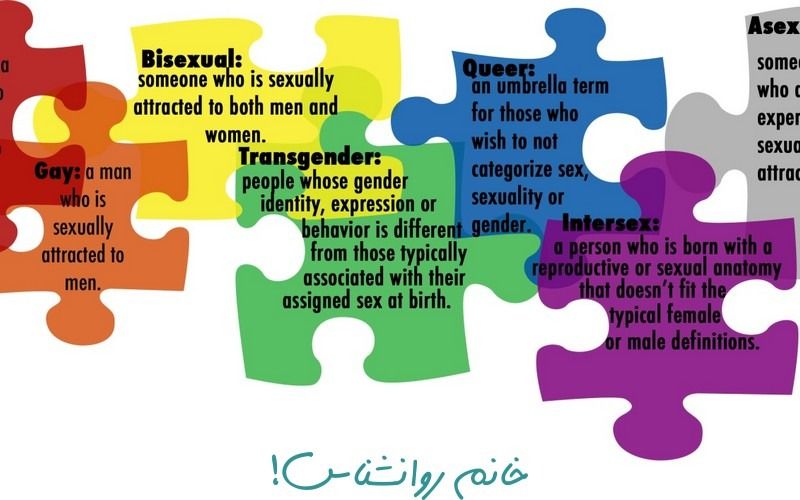
LGBTQIA is an abbreviation that covers a wide range of sexual orientations and gender identities. Each letter stands for a word:
L = Lesbian
Women who are attracted to other women.
G = Gay
Usually used for men who are attracted to other men, but it can include all same-sex attraction.
B = Bisexual
People who are attracted to people of their own gender and of other genders.
T = Transgender
People whose gender identity differs from the sex they were assigned at birth.
Q = Queer or Questioning
"Queer" is an umbrella term for orientations and identities that do not fit common norms. "Questioning" refers to people who are not yet sure about their sexual orientation or gender identity.
I = Intersex
People born with variations in their sex characteristics (such as chromosomes, hormones or anatomy) that do not fit typical definitions of male or female.
A = Asexual
People who feel little or no sexual attraction or interest in sexual activity.
The abbreviation LGBTQIA recognises the diversity of human gender and sexual orientation and promotes respect for everyone, whatever their orientation or identity. Because people in these communities differ from what many people assume is "normal", they often face challenges. Here are some of them:
Main challenges for LGBTQIA+ communities
Discrimination: members of the LGBTQIA+ community may face discrimination and prejudice in many settings, including social, workplace and even family discrimination.
Denial of identity: some people may feel that their identity is denied by others, and may struggle with doubts about their identity. This can lead to psychological and emotional problems.
Violence and harassment: LGBTQIA+ people are often more exposed to violence and harassment, especially transgender and intersex people. This can range from many unpleasant experiences to physical violence and seriously harmful bullying.
Isolation and loneliness: LGBTQIA+ people may experience isolation and loneliness, especially in places where prejudice is common.
Access to health and support services: getting suitable health and support services can be hard for LGBTQIA+ people in some places, which can lead to physical and mental health problems.
Human rights: in some parts of the world, the human rights of LGBTQIA+ people are restricted, including the criminalisation of same-sex relationships in some countries.
Research and policies that address these problems and protect the rights of LGBTQIA+ people are very important. These are only some of the many challenges people in this community face every day.
Do LGBTQIA people have a mental disorder?
No. The sexual orientation and gender identity of LGBTQIA people (lesbian, gay, bisexual, transgender, queer, intersex and asexual people) are not mental disorders; they are a natural part of human diversity.
Mental disorders are usually defined as conditions that harm a person's quality of life or functioning. Being LGBTQIA is not, in itself, a mental disorder, but people may face challenges and stress linked to discrimination and to being a sexual or gender minority.
The American Psychiatric Association removed homosexuality from the DSM in 1973, and the World Health Organization removed it from its list of diseases (the ICD) in 1990. In ICD-11, in effect since 2022, transgender-related conditions were also moved out of the mental disorders chapter. Today, major medical and psychological associations around the world emphasise respect for and acceptance of LGBTQIA+ people. Rejection, discrimination and exclusion can raise the risk of problems such as depression and anxiety, while support from family and community is an important protective factor.
What does the rainbow mean?
You may have seen the rainbow used as a symbol of LGBTQIA+ communities. Why?
The rainbow flag was designed by Gilbert Baker in San Francisco in 1978, and it has since become a symbol of the LGBTQIA+ rights movement and of accepting diverse orientations and identities.
The original flag had eight colours, each with a meaning: for example, red for life, orange for healing, yellow for sunlight, green for nature, blue for serenity and violet for spirit. The common six-colour version came into use a little later.
As a powerful symbol, the rainbow gives LGBTQIA+ people confidence and shows support for the community and its rights movement. It is a reminder that no one should face discrimination or harassment because of their sexual orientation or gender identity.