
OCD: symptoms, causes and treatment
When people talk about OCD, many of us think of excessive washing, but did you know that washing is only one type of OCD? What symptoms does someone need to have to be diagnosed with OCD? How is it treated, and which approaches work? In this article I explain OCD in a clear, evidence-based way. The main source is the US National Institute of Mental Health (NIMH).
What is OCD?
Obsessive-compulsive disorder (OCD) is a long-lasting condition in which a person has uncontrollable, recurring thoughts (obsessions), repetitive behaviours (compulsions), or both. People with OCD have time-consuming symptoms that can cause significant distress or get in the way of daily life. However, treatment is available to help people manage their symptoms and improve their quality of life. If you have read the article on CBT, you will know that CBT is effective for OCD.
What are the symptoms of OCD?
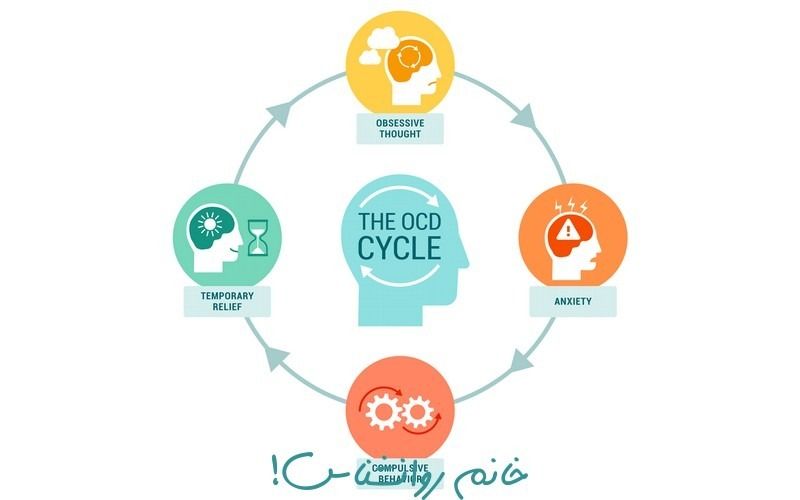
People with OCD may have obsessions, compulsions or both. Obsessions are repeated thoughts, urges or mental images that are intrusive and unwanted, and that cause anxiety in most people. Common obsessions include:
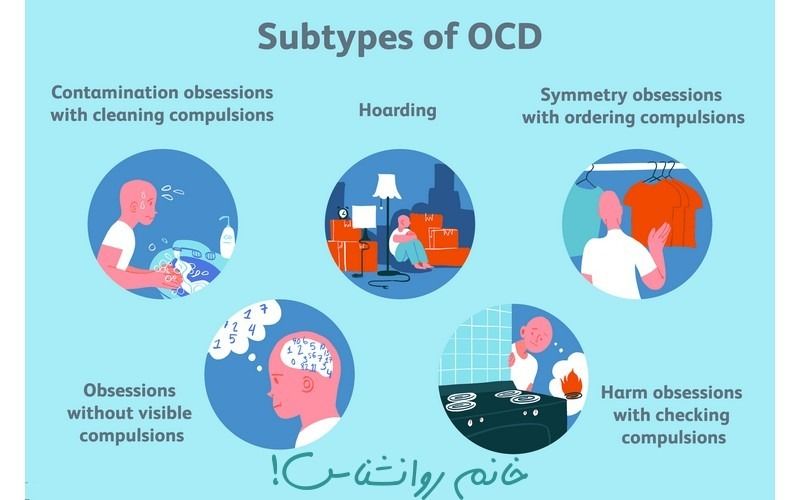
- Fear of germs or contamination
- Fear of forgetting, losing or misplacing something
- Fear of losing control over one's behaviour
- Aggressive thoughts towards others or oneself
- Unwanted, forbidden or taboo thoughts involving sex, religion or harm
- Wanting things to be symmetrical or in perfect order
Compulsions are repetitive behaviours that a person feels driven to do, often in response to an obsession. Common compulsions include:
- Excessive cleaning or handwashing
- Ordering or arranging items in a particular, precise way
- Repeatedly checking things, such as whether the door is locked or the oven is off
- Compulsive counting
- Praying or repeating words silently
Note: not all repetitive thoughts are obsessions, and not all rituals or habits are compulsions.
What makes it OCD?
People with OCD generally:
- Cannot control their obsessions or compulsions, even when they know they are excessive.
- Spend more than one hour a day on their obsessions or compulsions.
- Do not get pleasure from their compulsions, but may feel brief relief from anxiety.
- Have significant problems in daily life because of these thoughts or behaviours.
- Some people with OCD also have a tic disorder, involving repetitive movements or sounds. Motor tics are sudden, brief, repetitive movements such as eye blinking and other eye movements, facial grimacing, shoulder shrugging, and head or shoulder jerking. Vocal tics include repetitive throat clearing, sniffing or grunting. It is common for people with OCD to also be diagnosed with a mood or anxiety disorder.
- Symptoms of OCD can begin at any time but usually start in late childhood or young adulthood, and most people are diagnosed by young adulthood.
- Symptoms may start gradually, ease for a while, or get worse over time. They often get worse during times of stress, and a person's obsessions and compulsions can change over time.
- People with OCD may avoid situations that trigger their symptoms, or use alcohol or drugs to cope. Many adults with OCD recognise that their compulsive behaviours do not make sense. Children, however, may not realise their behaviour is unusual and often fear that something terrible will happen if they do not perform certain rituals. Parents or teachers usually notice OCD symptoms in children.
- If you think you or your child may have OCD, talk to a health professional. Without treatment, OCD symptoms can become severe and disrupt daily life.
Risk factors for OCD
Although the exact causes of OCD are unknown, several risk factors increase the chance of developing it.
Genetics
Studies show that having a first-degree relative (parent or sibling) with OCD is linked with a higher chance of developing it. Scientists have not found a gene or set of genes that definitely leads to OCD, but research on the link between genetics and OCD continues.
Biology
Brain imaging studies have shown that people with OCD often have differences in the frontal cortex and subcortical structures, areas that affect the ability to control behaviour and emotional responses. Researchers have also found that several brain areas, networks and biological processes play a key role in obsessive thoughts, compulsive behaviour, and the fear and anxiety that go with them. Research to understand these links better is ongoing and could help develop treatments that target specific brain areas.
Temperament
Some research suggests that people who show more inhibited behaviour, experience negative emotions, and have symptoms of anxiety and depression as children are more likely to develop OCD.
Childhood trauma
Some studies have reported a link between childhood trauma and OCD symptoms. More research is needed to understand this relationship.
How is OCD treated?
Treatment helps many people, even those with the most severe forms of OCD. Mental health professionals treat OCD with medication, psychotherapy or a combination. A mental health professional can help you decide which option is best for you and explain the benefits and risks of each.
Sticking with your treatment plan is very important, because therapy and medication can take time to work. Although there is no cure for OCD, treatment helps people manage their symptoms, take part in daily activities and live full, active lives.
Psychotherapy
Psychotherapy can be an effective treatment for adults and children with OCD. Research shows that certain types of psychotherapy, including cognitive behavioural therapy and related therapies, can be as effective as medication for many people. For others, psychotherapy may work best when combined with medication.
Cognitive behavioural therapy (CBT)
CBT is a type of talk therapy that helps people recognise harmful or inaccurate ways of thinking, so they can see challenging situations more clearly and respond to them better. CBT helps people learn to question these negative thoughts, see how they affect their feelings and actions, and change their patterns of behaviour. CBT is well studied and is considered by many to be the "gold standard" of psychotherapy. It works best when tailored to the specific features of a condition, including OCD.
Exposure and response prevention (ERP)
Research shows that ERP, a specific type of CBT, effectively reduces compulsive behaviours, even in people who have not responded well to medication. In ERP, people spend time in a safe environment where they are gradually exposed to situations that trigger their obsessions (such as touching dirty objects) and are helped not to carry out their usual compulsion (such as handwashing). This approach may cause anxiety at first, and some people stop treatment early, but with continued treatment compulsions decrease for most people.
Children with OCD may need extra help from family members and health professionals to recognise and manage their symptoms. Mental health professionals can work with young children to find strategies for managing stress and increasing support, so they can control their OCD symptoms.
Medication for OCD
Health professionals may prescribe medication to help treat OCD. The most commonly prescribed medicines are antidepressants that target serotonin, a brain chemical involved in both depression and OCD. The largest group of these are called selective serotonin reuptake inhibitors (SSRIs).
Antidepressants can take 8 to 12 weeks before symptoms start to improve, and treating OCD may need higher doses than are usually used for depression. For some people, these medicines can cause side effects such as headaches, nausea or trouble sleeping. Most people with OCD find that medication, often combined with psychotherapy, helps them manage their symptoms.
Your doctor can adjust the dose over time to minimise side effects or withdrawal symptoms. Do not stop taking medication without talking to your doctor, who can work with you to monitor your health and adjust your treatment plan safely and effectively.
Other treatments for OCD
In 2018, the FDA approved a form of deep repetitive transcranial magnetic stimulation (rTMS), used alongside medication, psychotherapy or both, for adults with severe OCD who have not responded to other treatments. Since then, the use of TMS for OCD has expanded.
rTMS, most often used to treat depression, is a non-invasive treatment that uses a magnet to send repeated low-intensity pulses to stimulate a specific part of the brain. Unlike most treatments, rTMS can target specific brain areas linked with OCD.
Deep brain stimulation (DBS) is a surgical procedure that uses electricity to stimulate specific points in the brain directly. Doctors may use DBS for severe OCD when other treatments have not worked, but it is considered experimental.
Although DBS is FDA-approved for some neurological conditions such as Parkinson's disease, its effectiveness for mental health conditions is still being actively researched. The FDA has approved DBS for severe OCD under a Humanitarian Device Exemption, which allows a medical device to be used for rare conditions, or conditions that affect relatively few people, where collecting enough evidence of effectiveness is difficult.