
Eating disorders: symptoms and treatment
A common misconception is that an eating disorder is a lifestyle choice. Eating disorders are in fact serious and often fatal illnesses, linked with severe disturbances in eating behaviour and in related thoughts and feelings. Being preoccupied with food, body weight and shape can also be a sign of an eating disorder.
Common eating disorders include anorexia nervosa, bulimia nervosa and binge eating disorder. In this article we look at these conditions. Most of this content is based on the US National Institute of Mental Health (NIMH).
Signs and symptoms of eating disorders
What are the symptoms of an eating disorder, and could you have one?
Anorexia nervosa
Anorexia nervosa is a condition in which people avoid food, severely restrict food, or eat very small amounts of only certain foods. They may also weigh themselves repeatedly. Even when dangerously underweight, they may see themselves as overweight.
There are two subtypes of anorexia nervosa: a "restrictive" subtype and a "binge-purge" subtype.
Restrictive and binge-purge anorexia
In the restrictive subtype, people severely limit the amount and type of food they eat.
In the binge-purge subtype, people also greatly restrict what they eat, and they may also have episodes of bingeing and purging: eating large amounts of food in a short time, followed by vomiting or using laxatives or diuretics to get rid of what they have eaten.
Anorexia nervosa can be fatal. It has an extremely high death rate compared with other mental disorders. People with anorexia are at risk of dying from medical complications of starvation, and suicide is the second leading cause of death in people with anorexia nervosa.
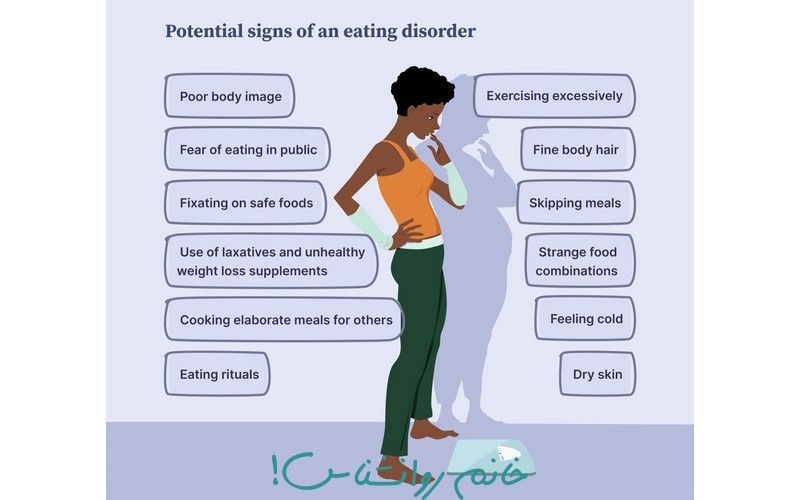
Symptoms of anorexia
Symptoms include:
- Eating very restrictively
- Extreme thinness
- A relentless pursuit of thinness and unwillingness to maintain a normal or healthy weight
- Intense fear of gaining weight
- A distorted body image, self-esteem heavily influenced by perceptions of body weight and shape, or denial of how serious the low body weight is
Physical effects
- Thinning of the bones (osteopenia or osteoporosis)
- Mild anaemia, muscle wasting and weakness
- Brittle hair and nails
- Dry and yellowish skin
- Growth of fine hair all over the body (lanugo)
- Severe constipation
- Low blood pressure
- Slowed breathing and pulse
- Damage to the structure and function of the heart
- Brain damage
- Multi-organ failure
- Drop in internal body temperature, causing the person to feel cold all the time
- Lethargy, sluggishness or feeling tired all the time
- Infertility
What is bulimia nervosa?
Bulimia nervosa is a condition in which people have repeated episodes of eating large amounts of food and feel a lack of control over these episodes. The bingeing is followed by behaviour that compensates for it, such as forced vomiting, excessive use of laxatives or diuretics, fasting, excessive exercise, or a combination of these. People with bulimia may be slightly underweight, a normal weight, or overweight.
Symptoms of bulimia
- A chronically inflamed and sore throat
- Swollen salivary glands in the neck and jaw area
- Worn tooth enamel and increasingly sensitive and decaying teeth from exposure to stomach acid
- Acid reflux and other gastrointestinal problems
- Intestinal distress and irritation from laxative misuse
- Severe dehydration from purging
- Electrolyte imbalance (too low or too high levels of sodium, calcium, potassium and other minerals), which can lead to stroke or heart attack

Binge eating disorder
Binge eating disorder is a condition in which people lose control over their eating and have repeated episodes of eating large amounts of food. Unlike bulimia, the binge episodes are not followed by purging, excessive exercise or fasting. As a result, people with binge eating disorder are often overweight or obese. Binge eating disorder is the most common eating disorder in the United States.
Symptoms of binge eating disorder
- Eating large amounts of food in a specific period, such as two hours
- Eating even when full or not hungry
- Eating fast during binge episodes
- Eating until uncomfortably full
- Eating alone or in secret to avoid embarrassment
- Feeling distressed, ashamed or guilty about eating
- Frequent dieting, possibly without weight loss
Avoidant/restrictive food intake disorder (ARFID)
Avoidant/restrictive food intake disorder (ARFID), previously known as selective eating disorder, is a condition in which people limit the amount or type of food they eat. Unlike anorexia, people with ARFID do not have a distorted body image or an extreme fear of gaining weight. ARFID often develops in middle childhood and usually starts earlier than other eating disorders. Many children go through phases of picky eating, but a child with ARFID does not eat enough calories to grow and develop properly, and an adult with ARFID does not eat enough calories to maintain basic body functions.
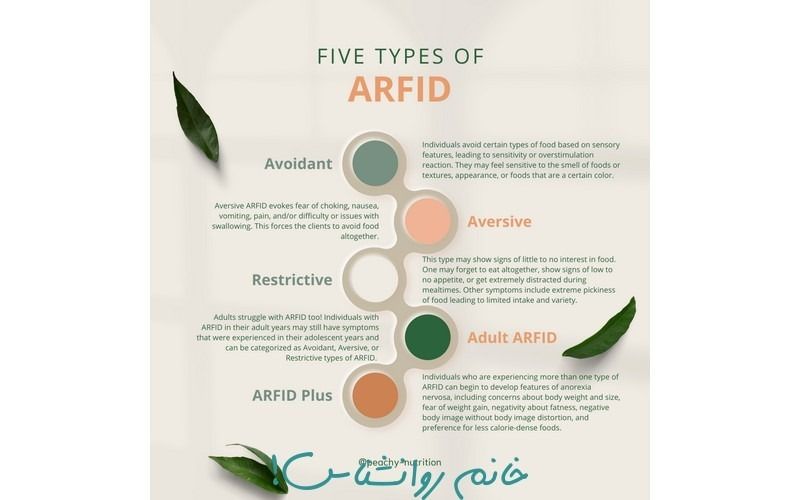
Symptoms of ARFID
- Dramatic restriction of the types or amount of food eaten
- Lack of appetite or interest in food
- Dramatic weight loss
- Upset stomach, abdominal pain or other gastrointestinal issues with no other known cause
- A limited range of preferred foods that becomes even more limited (picky eating that gets progressively worse)
Risk factors
- Eating disorders can affect people of any age, ethnicity, body weight and gender. They often appear in the teen years or young adulthood, but can also develop in childhood or later in life.
- Researchers have found that eating disorders are caused by a complex interaction of genetic, biological, behavioural, psychological and social factors, and they are using the latest science to understand them better.
Eating disorders run in families. Researchers are working to identify DNA variations linked with a higher risk.
Brain imaging studies are also improving our understanding. For example, researchers have found differences in brain activity patterns in women with eating disorders compared with healthy women. This kind of research may help develop new tools for diagnosis and treatment.
Treatment of eating disorders
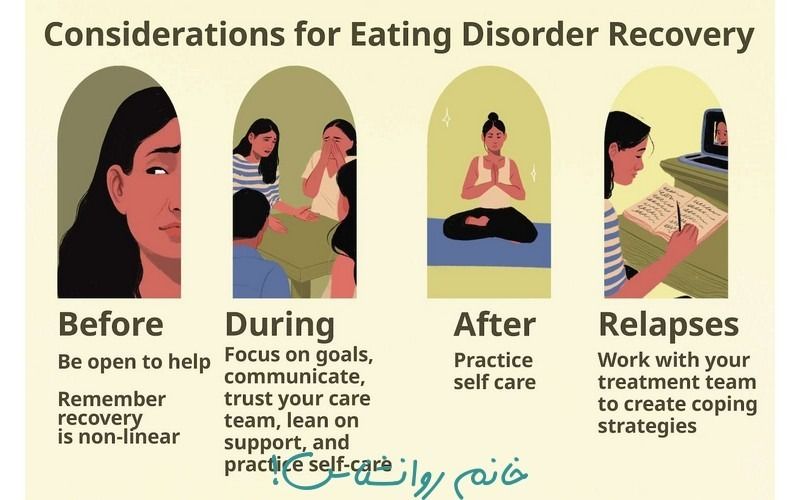
It is important to seek treatment early. People with eating disorders are at higher risk of suicide and medical complications. They often also have other mental health conditions (such as depression or anxiety) or problems with substance use. Full recovery is possible.
Treatment plans are tailored to individual needs and may include one or more of the following:
- Individual, group and/or family psychotherapy
- Medical care and monitoring
- Nutritional counselling
- Medication
Psychotherapy
Family-based therapy, in which parents of adolescents with anorexia nervosa take responsibility for feeding their child, appears to be very effective in helping restore weight and improve eating habits and mood.
To reduce or stop binge eating and purging, people may have cognitive behavioural therapy (CBT), which helps them learn to recognise distorted or unhelpful thinking patterns and to identify and change inaccurate beliefs.
Medicines for eating disorders
Evidence suggests that medicines such as antidepressants, antipsychotics or mood stabilisers may help treat eating disorders and co-occurring conditions such as anxiety or depression. The US FDA website has the latest information on medicine approvals, warnings and patient guides.
Help in Australia: if you or someone close to you is struggling with an eating disorder, call the Butterfly Foundation helpline on 1800 33 4673 or talk to a GP. In an emergency, call 000.